

Understanding Chronic Wound Care: A Comprehensive Guide

Chronic wounds are a significant health concern that affects millions of people worldwide. These wounds do not heal properly and can lead to severe complications, including infections and amputations. Understanding chronic wound care is essential for patients, caregivers, and healthcare professionals alike. This guide aims to provide a comprehensive overview of chronic wound care, including its causes, treatment options, and best practices for management.
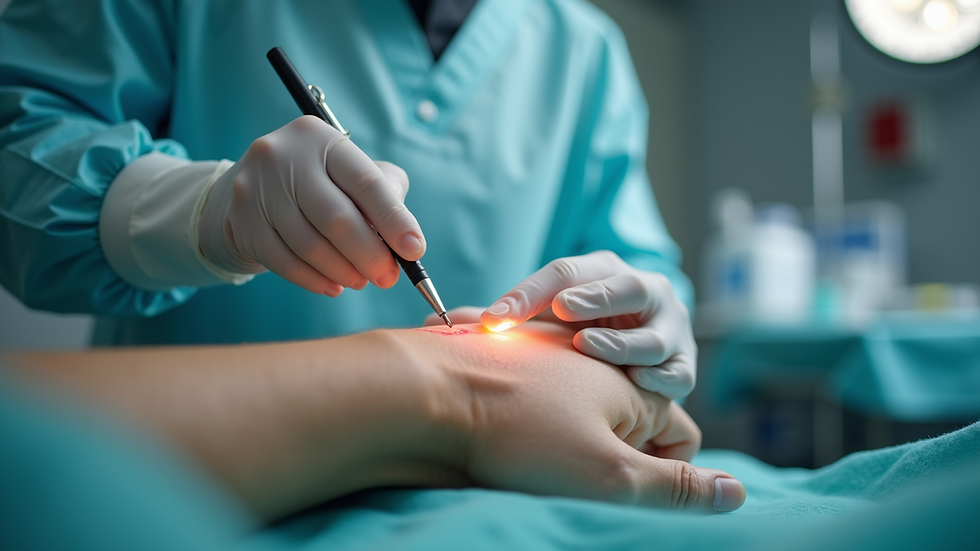
What Are Chronic Wounds?
Chronic wounds are defined as wounds that fail to progress through the normal stages of healing. Unlike acute wounds, which heal within a predictable timeframe, chronic wounds can persist for weeks, months, or even years. Common types of chronic wounds include:
Diabetic ulcers: Often found on the feet of individuals with diabetes due to poor circulation and nerve damage.
Venous ulcers: Resulting from improper blood flow in the veins, typically occurring on the lower legs.
Pressure ulcers: Also known as bedsores, these develop when there is prolonged pressure on the skin, often in individuals with limited mobility.
Arterial ulcers: Caused by reduced blood flow to the tissues, usually found on the feet or legs.
Causes of Chronic Wounds
Several factors contribute to the development of chronic wounds. Understanding these causes can help in prevention and management:
Poor circulation: Conditions like diabetes and peripheral artery disease can restrict blood flow, hindering the healing process.
Infection: Bacterial infections can impede healing and lead to further complications.
Moisture imbalance: Both excessive moisture and dryness can affect wound healing negatively.
Nutritional deficiencies: A lack of essential nutrients, such as protein, vitamins, and minerals, can slow down the healing process.
Underlying health conditions: Conditions like obesity, autoimmune diseases, and certain medications can also impact wound healing.
The Importance of Proper Assessment
Before initiating treatment, a thorough assessment of the chronic wound is crucial. This assessment should include:
Wound size and depth: Measuring the wound helps track healing progress.
Wound bed characteristics: Observing the color, texture, and presence of necrotic tissue can inform treatment choices.
Surrounding skin condition: Assessing the skin around the wound for signs of infection or irritation is essential.
Patient history: Understanding the patient's medical history, including any underlying conditions, can guide treatment decisions.
Treatment Options for Chronic Wounds
Effective treatment for chronic wounds often involves a multi-faceted approach. Here are some common treatment options:
1. Wound Dressings
Choosing the right dressing is critical for promoting healing. Some types of dressings include:
Hydrocolloid dressings: These maintain a moist environment and are suitable for shallow wounds.
Foam dressings: Ideal for wounds with moderate to heavy exudate, these dressings absorb moisture while protecting the wound.
Alginate dressings: Made from seaweed, these are highly absorbent and suitable for wounds with significant drainage.
2. Debridement
Debridement is the process of removing dead or infected tissue from the wound. This can be done through:
Surgical debridement: Performed by a healthcare professional, this method is often necessary for large areas of necrotic tissue.
Mechanical debridement: Involves using saline or a wet-to-dry dressing to remove dead tissue.
Enzymatic debridement: Uses topical agents to break down necrotic tissue.
3. Antibiotic Therapy
If an infection is present, antibiotic therapy may be necessary. This can include topical antibiotics for localized infections or systemic antibiotics for more severe cases.
4. Advanced Therapies
For wounds that do not respond to standard treatments, advanced therapies may be considered:
Negative pressure wound therapy (NPWT): This technique uses a vacuum to promote healing by drawing out excess fluid and increasing blood flow to the area.
Bioengineered skin substitutes: These products can help promote healing in difficult-to-treat wounds.
Hyperbaric oxygen therapy: This involves breathing pure oxygen in a pressurized room, which can enhance healing in certain types of wounds.
Best Practices for Chronic Wound Management
Managing chronic wounds requires a comprehensive approach that includes:
Regular monitoring: Frequent assessments help track healing progress and adjust treatment as needed.
Patient education: Teaching patients about wound care and the importance of following treatment plans can improve outcomes.
Nutritional support: Ensuring patients receive adequate nutrition can significantly impact healing.
Multidisciplinary approach: Involving a team of healthcare professionals, including doctors, nurses, dietitians, and physical therapists, can provide comprehensive care.
The Role of Nutrition in Wound Healing
Nutrition plays a vital role in the healing process. Key nutrients that support wound healing include:
Protein: Essential for tissue repair and regeneration. Sources include lean meats, fish, eggs, and legumes.
Vitamins: Vitamins A, C, and E are crucial for skin health and immune function.
Minerals: Zinc and copper are important for collagen synthesis and overall healing.
Psychological Impact of Chronic Wounds
Living with a chronic wound can take a toll on a person's mental health. Patients may experience feelings of frustration, anxiety, or depression. Addressing the psychological aspects of wound care is essential. Support groups, counseling, and open communication with healthcare providers can help patients cope with the emotional challenges of chronic wounds.
Conclusion
Chronic wound care is a complex and multifaceted process that requires a thorough understanding of the underlying causes, treatment options, and best practices for management. By prioritizing proper assessment, utilizing appropriate treatments, and addressing the nutritional and psychological needs of patients, healthcare providers can significantly improve healing outcomes.
If you or someone you know is struggling with a chronic wound, seeking professional help is crucial. Early intervention and a comprehensive care plan can make a significant difference in the healing journey. Remember, effective chronic wound care is not just about treating the wound; it’s about supporting the whole person.


Comments